The Strait of Hormuz: A Critical Chokepoint for Global Trade
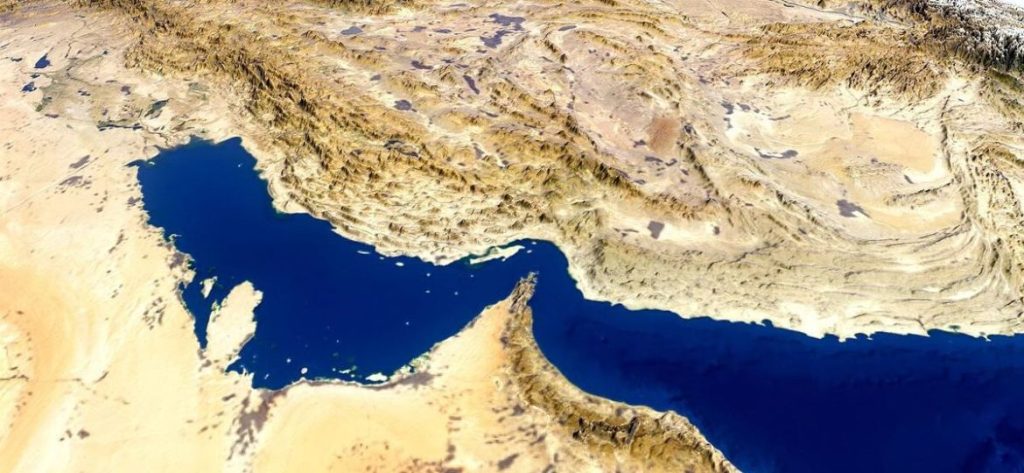
International maritime transport faces significant challenges when geopolitical tensions affect strategic routes. One of the most sensitive areas is the Strait of Hormuz, located between Iran and Oman—a vital artery for global energy trade.
Restrictions, threats, and security risks linked to regional conflict can hinder the movement of vessels and create uncertainty for companies that rely on international supply chains.
While the impact varies depending on the route and the type of cargo, any prolonged disruption can affect costs and logistics planning.
How does it impact costs and transit times?
The Strait of Hormuz is particularly critical to the global supply of oil and liquefied natural gas (LNG). Disruptions along this route can drive up energy prices and increase operational transport costs.
The situation intensified in October 2026. The International Maritime Organization (IMO) has recorded numerous incidents involving commercial vessels, while Reuters reported that two ships sank following attacks in the region.
These circumstances can lead to higher insurance premiums, route changes, delays, and fluctuations in freight rates. The specific impact depends on the routes taken and how the conflict evolves.
What should importers and exporters do?
Given this scenario, companies should stay informed about navigation conditions, verify shipment itineraries, and consult with their logistics providers regarding potential changes to costs and delivery timelines.
Proactive planning helps in evaluating alternatives and reducing uncertainty within supply chains.
Krystal Logistics: Prepared for an Evolving Trade Landscape
At Krystal Logistics, we connect businesses to international markets through sea, air, and land transport solutions. Our focus is on helping clients plan their operations and stay informed about developments that could affect the movement of their goods. International maritime transport relies on secure routes, planning, and coordination. In an uncertain geopolitical landscape, having timely information is essential for making better decisions.
Krystal Logistics: your cargo, our commitment.