Nearshoring is reshaping regional trade
Nearshoring in Latin America is transforming how companies produce, purchase, and distribute their goods. The quest for more resilient and diversified supply chains is driving international companies to move parts of their operations closer to consumer markets.
This trend is generating new trade flows and strengthening the role of Latin American countries within global supply chains.
Latin America gains prominence
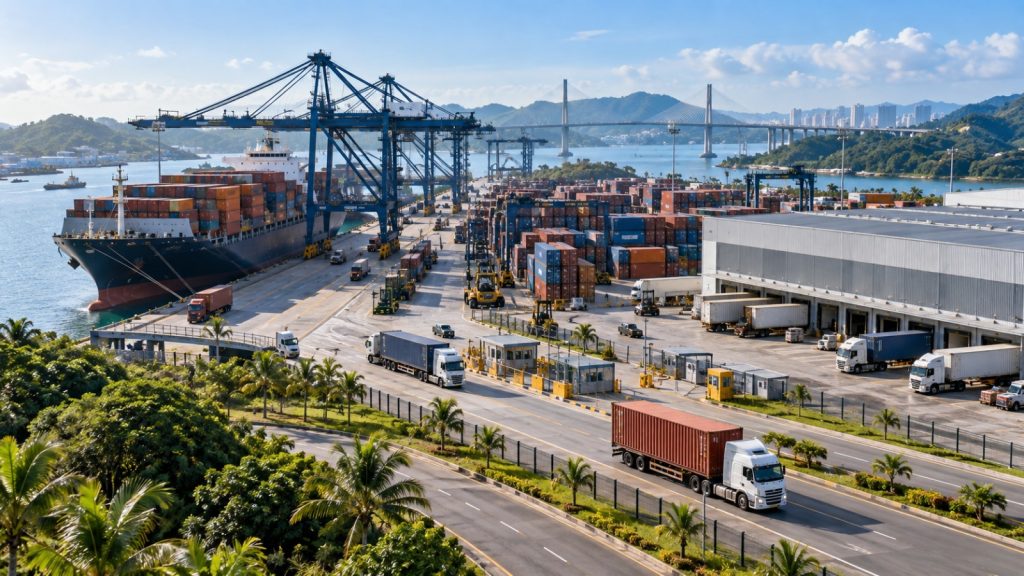
Countries such as Costa Rica, Guatemala, and Panama are strengthening their positions as centers for manufacturing, distribution, and logistics connectivity. Panama, in particular, is leveraging its strategic location, infrastructure, and free trade zones to establish itself as a regional logistics and distribution hub.
The phenomenon also creates opportunities for other countries in the region. Greater trade integration can boost multimodal transport, warehousing, cross-border operations, and regional distribution.
According to the Inter-American Development Bank, nearshoring could generate approximately USD 78 billion in additional annual exports for Latin America and the Caribbean.
What does this mean for companies?
For importers and exporters, this transformation offers new alternatives for sourcing, production, and reaching international markets.
Companies now require greater flexibility, visibility, and responsiveness. It is no longer just about moving cargo from one point to another; it is about designing supply chains capable of adapting to commercial, geopolitical, and operational changes.
In this landscape, partnering with a freight forwarder that has a regional presence can become a competitive advantage.
Krystal Logistics connects the region
Krystal Logistics supports companies looking to develop their international trade operations via sea, air, and land transport, connecting markets and facilitating the movement of goods.
Nearshoring in Latin America presents an opportunity for the region to play a more prominent role in global trade. To capitalize on this, infrastructure, connectivity, and efficient logistics will become increasingly important factors.