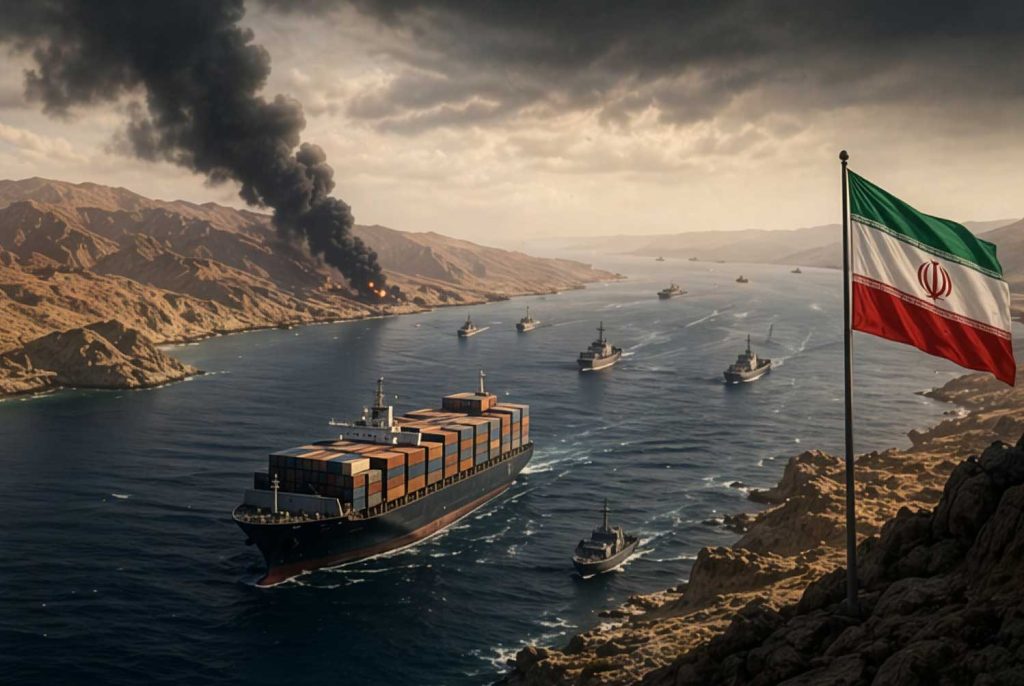
The impact of the war in Iran doesn't begin on the battlefield. It begins with the costs, routes, and times of international logistics.

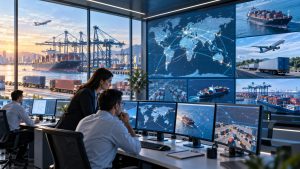
When a strategic area becomes unstable, the entire system adjusts. Shipping lines change routes, flights are diverted, insurance premiums increase, and transit times lengthen. In some cases, shipments can take 7 to 14 days longer due to operational rerouting.

The effect is cumulative.

Longer distances mean more fuel. Higher risk means higher costs. Less capacity means more pressure on prices. And all of this ends up directly impacting the business decisions of companies worldwide.

Even seemingly unrelated sectors—like food and manufacturing—are beginning to feel the pressure. The disruption of energy and fertilizer flows is already generating global alerts about production and supply.

At Krystal Logistics, we see this scenario clearly: logistics can no longer rely on fixed routes or stable assumptions.

Today, every operation requires a strategic analysis of the environment:

Which route is viable today?

What will happen in two weeks?

Where is the real risk?

Because logistics doesn't break down overnight.
It becomes strained… until it forces change.

And that's where being prepared makes all the difference.