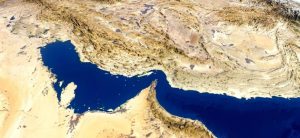
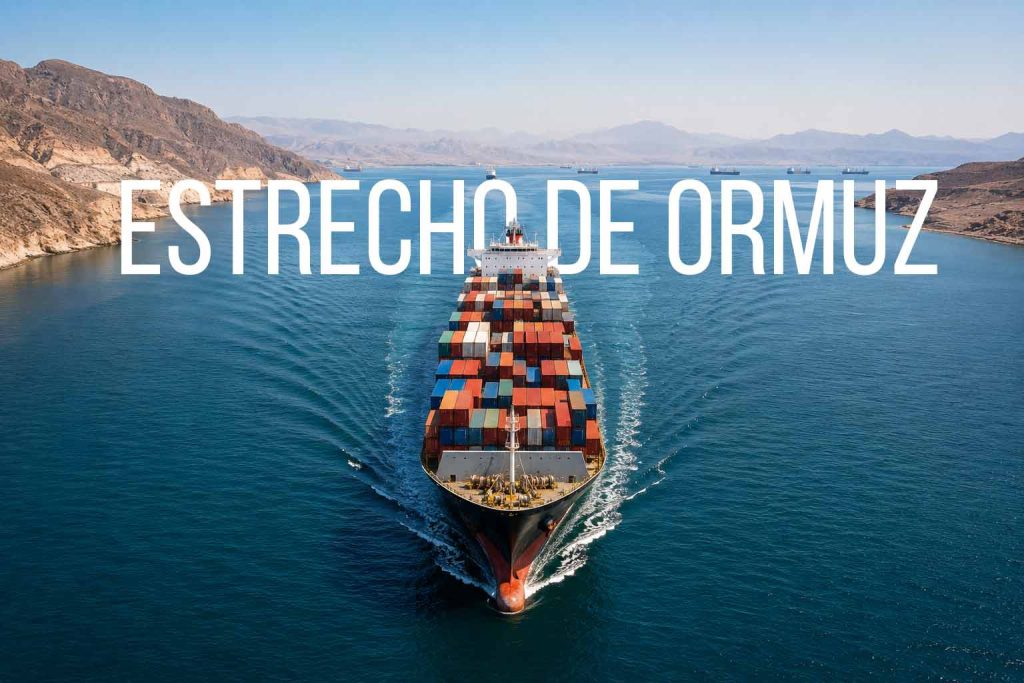
International logistics depends on safe and efficient maritime routes to maintain the constant flow of global trade. One of the most important points for global transport is the Strait of Hormuz, a maritime corridor located between Oman and Iran, through which a significant portion of the oil and gas that supplies international markets passes.
Although this place may seem distant to many Latin American companies, any disruption in this area can have direct consequences for costs and logistics planning worldwide.
Why is the Strait of Hormuz important?
The Strait of Hormuz connects the Persian Gulf with the Indian Ocean and is one of the busiest energy routes on the planet. When geopolitical tensions, military conflicts, or threats to navigation arise, markets react quickly.
One of the most common effects is an increase in the price of oil, which directly impacts maritime, land, and air transport costs.
The Impact on International Logistics
For importers and exporters, the stability of global routes is fundamental. An increase in fuel costs can lead to adjustments in transport rates, longer transit times, and changes in distribution strategies.
In an environment where volatility has become the norm, companies need logistics partners capable of adapting quickly to changes in the international market.
How Krystal Logistics Responds
At Krystal Logistics, we continuously monitor events that may affect global supply chains. Thanks to our offices in Ecuador, Panama, Brazil, and the United States, as well as our international network of partners, we can offer logistics alternatives that help our clients maintain the continuity of their operations.
With more than 24 years of experience in international logistics, we understand that anticipating changes is as important as moving cargo.
Contact: +593 986728415
Email: customer1@krystalecuador.com
More information: www.krystallogistics.com