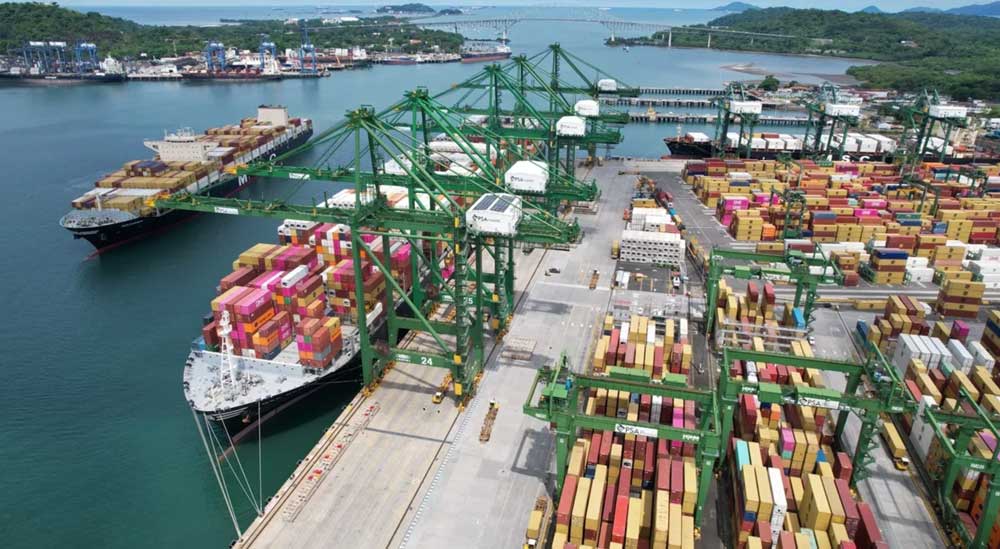
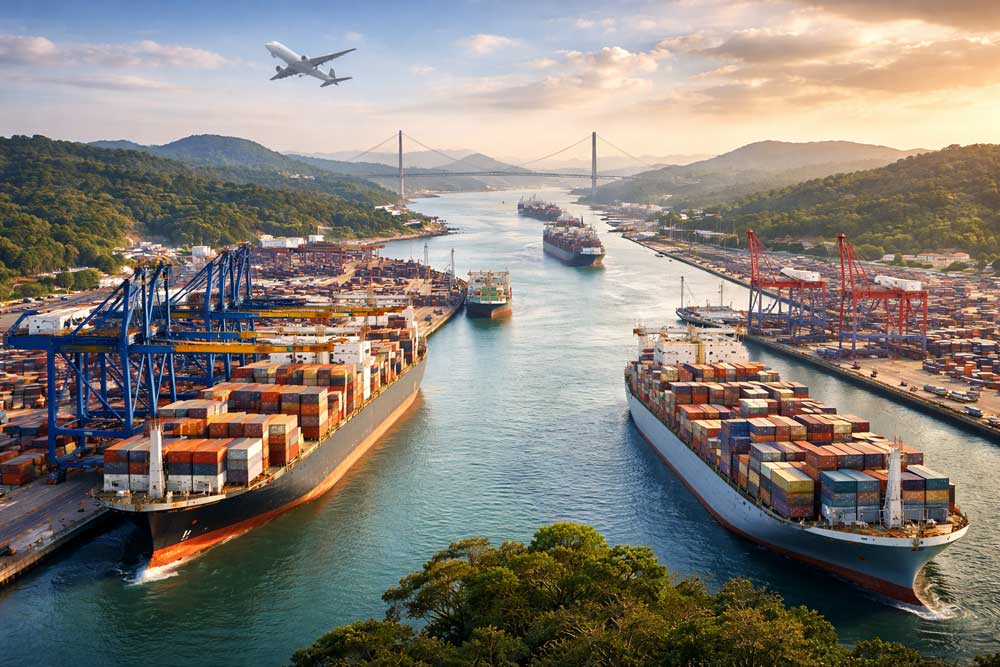
Panama’s Pacific and Atlantic ports are undergoing a review of their concessions, generating attention within the maritime and business sectors. Among the main terminals being evaluated are the Port of Balboa, the Port of Cristóbal, PSA Panama International Terminal, and Manzanillo International Terminal—key infrastructure for international trade and logistics in Latin America.
For years, these concessions have allowed Panama to attract foreign investment, modernize equipment, expand docks, and strengthen operational efficiency. Thanks to this model, Panama has consolidated its position as a strategic hub connecting routes between Asia, Europe, and the Americas, boosting maritime and multimodal logistics in the region. However, recent questions about potential administrative irregularities have raised concerns about the importance of maintaining transparency and legal certainty.
For the business sector, stability in the rules of the game is crucial. Any uncertainty can affect the confidence of investors, port operators, and international shipping lines, directly impacting regional competitiveness. Logistics transportation depends on agile processes, reliable infrastructure, and clear regulatory frameworks that guarantee operational continuity.
Specialized companies like Krystal Logistics emphasize the importance of having efficient and secure ports to optimize supply chains, reduce transit times, and ensure competitive costs. Coordination among authorities, concessionaires, and logistics operators will be key to strengthening Panama’s reputation as a strategic hub for global trade.
The current challenge lies not only in reviewing and monitoring contracts but also in reinforcing institutional frameworks and projecting confidence to the international market. A robust, transparent, and competitive port system is essential for logistics transportation to continue driving economic growth and consolidating Panama as a leading platform for connectivity and foreign trade.